The Difference Between Sending More Messages and Sending the Right Ones
- Paul Andre de Vera

- Apr 28
- 4 min read
Retail brands facing growth pressure default to volume: more emails, more SMS blasts, more push notifications. The logic seems sound and more messages reach more people. But volume-based outreach produces diminishing returns, channel fatigue, and opt-outs that shrink the audience over time.
The brands that grow are sending fewer messages that land with precision. One personal message from a trusted associate outperforms ten generic messages from a brand inbox.
5 Key takeaways
Message volume and revenue are not linearly correlated. After a threshold, more messages produce less response and more unsubscribes.
Personalization quality determines outreach ROI. A relevant product recommendation converts at 10-20x the rate of a broadcast promotion.
Channel selection matters as much as content. Reaching a client on their preferred channel (WhatsApp vs. email vs. SMS) dramatically affects response rates.
Timing driven by client behavior beats timing driven by campaign calendars. Post-purchase follow-ups and birthday messages outperform Tuesday-at-10am blasts.
Associate-led personal outreach carries trust that branded messages cannot replicate. The sender's identity changes the client's willingness to engage.
The volume trap
Marketing teams measure success partly by messages sent. The quarterly target might be 500,000 emails, 100,000 SMS messages, and 200,000 push notifications. These numbers feel like activity. They feel like reach.
But the metrics that matter and open rates, click-through rates, conversions, and revenue per message and often decline as volume increases. Audiences develop blindness to frequent, generic communication. Spam filters catch more messages. Opt-out rates climb.
The math stops working. Sending twice as many messages doesn't produce twice as much revenue. It often produces the same revenue with twice the cost and more audience attrition.
What "the right message" looks like
A right message has four qualities:
Relevant content. The product or information matches the client's documented preferences, purchase history, or expressed interest.
Right channel. The message arrives on the platform the client prefers and WhatsApp for one, email for another, SMS for a third.
Appropriate timing. The message connects to something recent and a purchase, a life event, a new arrival that matches their profile.
Trusted sender. The message comes from a person the client knows, not from a brand email address.
When all four conditions are met, response rates typically range from 30-60%. When one or more conditions are missing, response rates drop below 5%.
Broadcast versus one-to-one: the numbers
Consider two outreach scenarios for a brand with 10,000 active clients:
Broadcast approach:
10,000 promotional emails sent
15% open rate = 1,500 opens
2% click-through rate = 300 clicks
1% conversion rate = 100 purchases
Revenue: ~$15,000 (at $150 AOV)
One-to-one approach:
500 personalized messages sent by associates
65% open/read rate = 325 engagements
40% response rate = 200 conversations
25% conversion rate = 125 purchases
Revenue: ~$25,000 (at $200 AOV, higher due to personalization)
The one-to-one approach sent 95% fewer messages and generated 67% more revenue. The AOV is higher because personalized recommendations match client preferences more accurately.
How associates send the right messages
Associates using clienteling platforms with Smart Lists and AI-driven suggestions don't need to figure out who to contact or what to say. The system handles the targeting logic:
Post-purchase follow-up: "Thank James for his purchase. Suggest the matching belt."
Birthday prep: "Maria's birthday is in 5 days. She prefers WhatsApp. Consider sharing the new accessories collection."
Win-back: "David hasn't visited in 75 days. His last purchase was running shoes. New athletic arrivals are in stock."
The associate reviews the suggestion, adds a personal note, and sends. The cognitive work of "who, what, when, and how" is handled by the platform.
Rich media elevates personalization
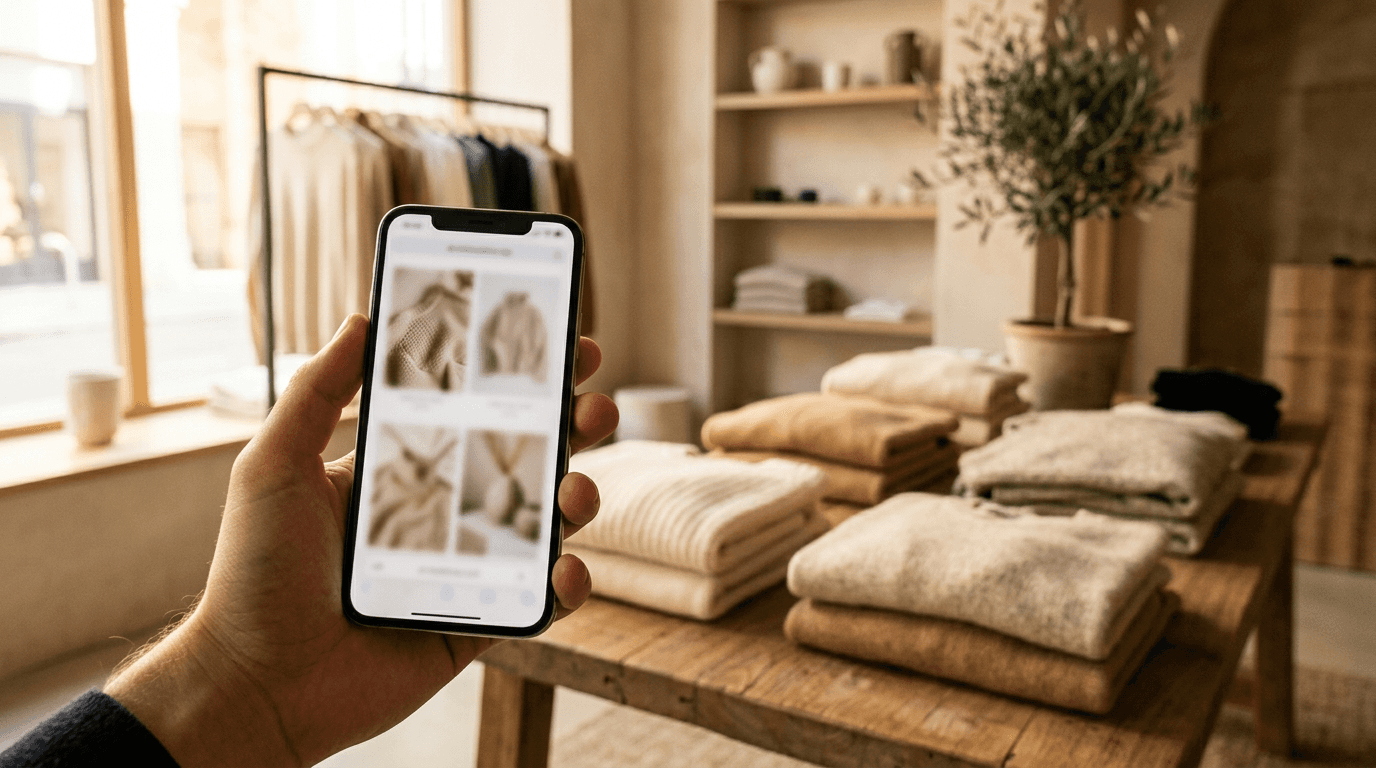
Text-only messages feel transactional. Product images, lookbooks, and curated collections feel like personal shopping assistance.
When an associate shares a Slice and a curated visual collection of products and the client browses at their convenience, wishlists items, provides feedback, and requests appointments. This interaction generates data that enriches the profile for future outreach.
Visual storytelling through rich media transforms outreach from "selling" to "styling" in the client's perception. The emotional response is different because the format is different.
The opt-out cost of getting it wrong
Every irrelevant message carries a cost beyond the wasted impression. It moves the client closer to opting out. Once a client unsubscribes, that channel is closed permanently.
Opt-out rates for broadcast marketing range from 0.2-0.5% per campaign. At 50 campaigns per year, a brand can lose 10-25% of its reachable audience annually through attrition alone.
Personal messages from known associates generate near-zero opt-outs because the communication feels like a relationship, not marketing.
FAQ
Q: How do you balance brand campaigns with associate-led personal outreach? A: Brand campaigns handle broad announcements (sales events, new collections). Associate outreach handles individual follow-ups and personalized recommendations. The two approaches complement rather than compete.
Q: Can small teams with limited associates still benefit from personalization? A: Yes. Even a single associate using Smart Lists and personalized outreach will outperform volume-based marketing for their client book. Start small and expand as results prove the model.
Q: How do you prevent message fatigue when both marketing and associates are contacting clients? A: Proper platforms track all client communications across channels, allowing coordination between marketing campaigns and associate outreach. Frequency caps and communication calendars prevent overlap.
Q: What's the right frequency for personal outreach? A: Behavior-driven, not calendar-driven. Contact clients when there's a reason: a purchase to follow up, a birthday to celebrate, a product that matches their preferences. Frequency varies by client and context.
Q: How do you measure the quality of outreach versus just the quantity? A: Track response rate, conversion rate, and attributed revenue per message. High-quality outreach produces higher response rates and higher revenue per message than volume-based approaches.
How BSPK Agentic Commerce AI can help
BSPK shifts the outreach model from volume to precision. Associates send personalized messages through a unified inbox covering SMS, WhatsApp, WeChat, Line, and email and reaching each client on their preferred channel.
Smart Lists and AI-driven suggestions surface the right outreach at the right time, eliminating the guesswork. Personalized templates allow associates to send branded, multilingual messages in seconds while maintaining a personal tone.
BSPK Slices enable rich visual content sharing and curated lookbooks, product collections, and media that clients can browse, wishlist, and respond to. Every interaction is tracked and attributed, so the brand can see exactly which messages drive revenue.
The result: fewer messages, higher response rates, and more revenue per outreach.
Send less, earn more
The most profitable outreach strategy isn't about reach and it's about relevance. Get a Demo and see how BSPK helps your team send the right message every time.


Comments