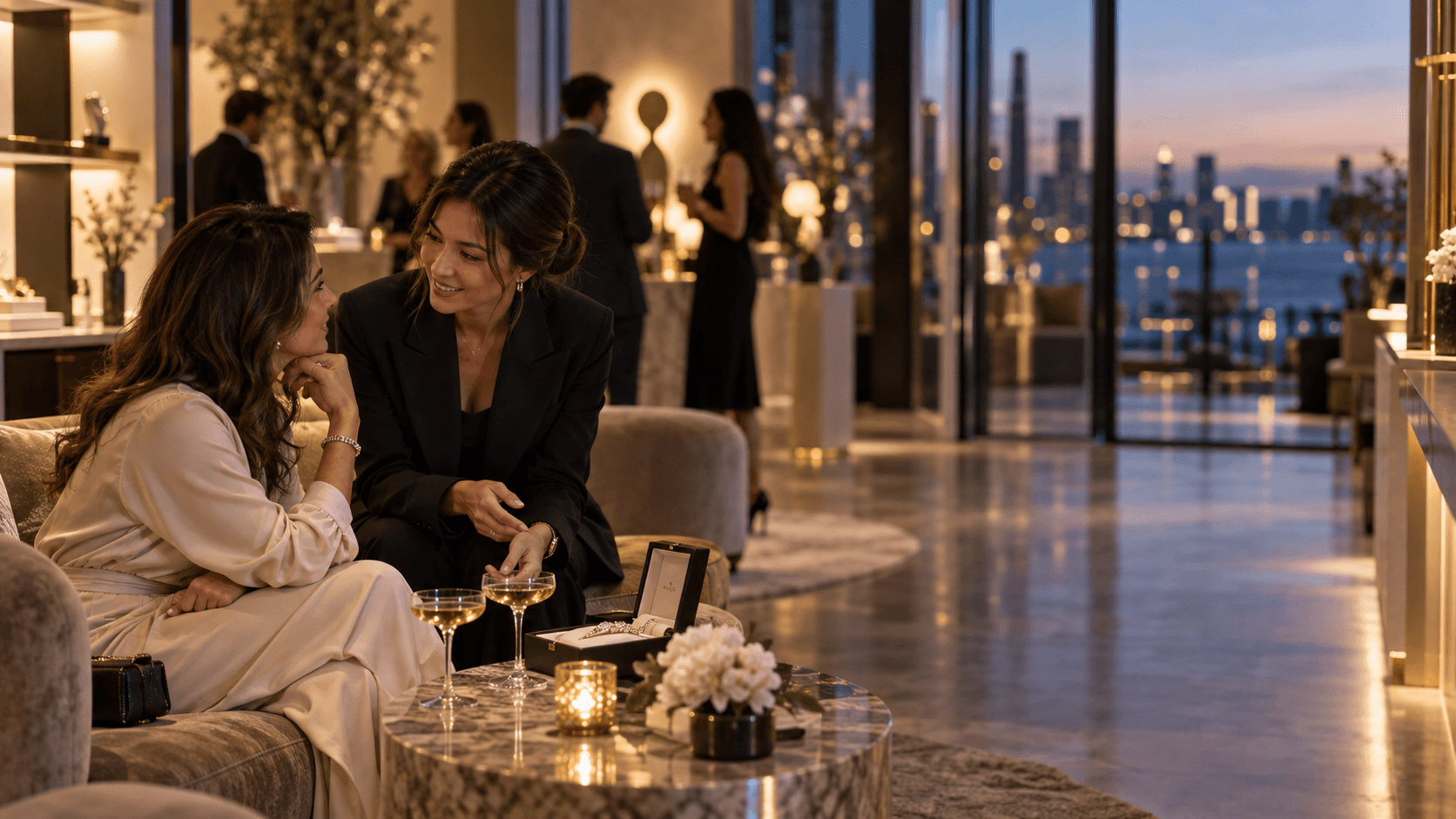
Le luxe a longtemps été défini par des logos audacieux, des symboles de statut social et une identité de marque indéniable. Mais en 2024, un autre type de luxe s'impose : le luxe discret (quiet luxury). Défini par une élégance sobre, un savoir-faire haut de gamme et une esthétique sans logo, cette tendance transforme le fonctionnement des détaillants et la façon dont les conseillers de vente vendent des produits haut de gamme.
Le luxe discret se vend-il vraiment ? Les chiffres parlent d'eux-mêmes
Malgré l'engouement, le luxe discret change-t-il réellement les habitudes d'achat des clients du luxe ? Les chiffres révèlent une histoire intrigante :
Les marques de luxe qui adoptent une esthétique subtile obtiennent des résultats contrastés. Alors qu'Hermès et Loro Piana continuent de prospérer, les marques à forte visibilité de logo comme Louis Vuitton et Gucci maintiennent leur domination plutôt que de perdre du terrain. Les ventes de produits de luxe minimalistes et de haute qualité ont augmenté de 15 % d'une année sur l'autre, ce qui témoigne d'un intérêt constant de la part des consommateurs.
Division géographique : Les États-Unis et l'Europe mènent le mouvement du luxe discret, tandis qu'en Chine, le luxe axé sur le logo reste roi. Plus de 50 % des consommateurs de luxe chinois associent encore les logos visibles à la richesse, contre seulement quelques pour cent des consommateurs américains et européens. Les marques qui promeuvent le concept du luxe discret en Asie risquent de peiner à obtenir le même engouement.
Hésitation des clients : Les détaillants de luxe multimarques signalent que les acheteurs d'aspiration hésitent à investir dans des pièces sans logo, craignant une valeur de revente plus faible. Les valeurs de revente des articles de luxe sans marque sont inférieures à celles de leurs homologues avec logo, ce qui rend la vente plus difficile pour les acheteurs de luxe soucieux des prix.
Le rôle démographique de la richesse : Un pourcentage élevé d'individus ultra-fortunés (UHNWI) préfère un luxe discret et sobre, tandis que les acheteurs de luxe de niveau intermédiaire gravitent toujours vers des marques reconnaissables. Cela souligne l'importance des stratégies de segmentation de la clientèle pour les détaillants de luxe.
Points clés à retenir
Pourquoi vendre le luxe discret est plus difficile — et ce que les détaillants peuvent faire. Pour les conseillers de vente, vendre un manteau à 5 000 $ sans logo présente un nouvel ensemble de défis.
Le luxe a longtemps été défini par des logos audacieux, des symboles de statut social et une identité de marque indéniable.
Le luxe discret se vend-il vraiment ?
Malgré l'engouement, le luxe discret change-t-il réellement les habitudes d'achat des clients du luxe ?
Les marques de luxe qui adoptent une esthétique subtile obtiennent des résultats contrastés.
Pourquoi vendre le luxe discret est plus difficile — et ce que les détaillants peuvent faire
Pour les conseillers de vente, vendre un manteau à 5 000 $ sans logo présente un nouvel ensemble de défis.
1. Plus difficile de justifier le prix
Les clients avaient l'habitude d'associer le prix au statut social. Sans logo, ils demandent : *« Pourquoi devrais-je payer autant ? »*
💡 Solution pour le détaillant : Passer de la vente du *statut* à la vente de la *substance.* Former les équipes de vente à mettre en valeur :
L'histoire des matières : Pourquoi le cachemire de Loro Piana est supérieur
L'artisanat d'art : Le niveau de précision dans la coupe et la couture
L'exclusivité sans ostentation : Comment les initiés reconnaissent la qualité, même sans logos
2. Plus de questions des clients, besoin de plus de connaissances sur les produits
Sans logo visible, les clients ont besoin d'être rassurés sur la qualité et l'authenticité. Ils s'interrogent davantage sur le sourcing, l'origine des tissus et la production éthique.
💡 Solution pour le détaillant : Investir dans un logiciel de clienteling comme BSPK qui aide les conseillers de vente à mémoriser les préférences des clients, leurs achats passés et les informations sur les produits, afin de leur proposer des recommandations personnalisées et éclairées.
3. Le luxe discret n'est pas pour tout le monde — et c'est très bien ainsi
Tous les acheteurs de luxe n'adhèrent pas à cette tendance. Les personnes à très haut patrimoine (HNWI) se tournent vers le luxe discret, mais les acheteurs d'aspiration (qui génèrent des revenus pour les grandes marques) recherchent toujours des symboles de statut social visibles.
💡 Solution pour le détaillant : Segmenter la clientèle avec soin. Certains clients répondront au luxe discret ; d'autres ont encore besoin de la validation des logos. Les équipes de vente doivent savoir quand proposer l'élégance subtile et quand s'appuyer sur la reconnaissance de la marque.
Et ensuite ? L'avenir du luxe discret dans le commerce de détail
La tendance est là — mais comment va-t-elle évoluer ?
1. L'essor des pièces ultra-exclusives en production limitée
Pour maintenir l'exclusivité, les marques proposeront des séries de production limitées plutôt que des lancements de masse. Pensez à la stratégie de Bottega Veneta — des pièces subtiles que les initiés reconnaissent, mais pas le grand public. LVMH a récemment indiqué que les collections hyper-limitées surpassaient les lignes de luxe produites en masse de 35 % en termes de chiffre d'affaires par article.
2. Le shopping personnalisé devient la norme
Le luxe discret étant une affaire de goût personnel, les détaillants devront proposer des expériences de shopping VIP et individuelles. Les essayages privés, les vestiaires personnalisés et les avant-premières exclusives deviendront essentiels. Des études montrent que les expériences de vente personnalisées peuvent augmenter la fidélisation des clients du luxe jusqu' de 40 %.
3. La fin des lancements saisonniers ? Un passage aux collections permanentes
Le luxe discret privilégiant les pièces intemporelles au détriment de l'engouement saisonnier, les détaillants pourraient repenser leurs cycles de stocks. Au lieu de proposer de nouvelles collections tous les quelques mois, l'accent sera mis sur des pièces intemporelles qui constituent un investissement durable.
Pour les lecteurs qui évaluent l'essor du luxe discret, Luxury Retail Strategies apporte un contexte BSPK pertinent.
Conclusion
Le luxe évolue. Le luxe discret n'est pas seulement une question d'esthétique minimaliste — il représente un changement fondamental dans la façon dont les produits haut de gamme sont vendus. Réussir dans ce nouveau paysage exige :
✅ Maîtriser une connaissance approfondie des produits pour justifier les prix
✅ Personnaliser les expériences clients grâce au clienteling
✅ Aider les clients à passer d'un statut axé sur le logo à l'appréciation du savoir-faire
Les marques qui adoptent cette évolution prospéreront. Celles qui l'ignorent risquent de rester à la traîne.
Chez BSPK, nous aidons les détaillants de luxe à s'adapter à ce changement grâce à des outils de clienteling hyper-personnalisés qui favorisent les relations clients à long terme. L'avenir du luxe est discret — mais la stratégie qui le sous-tend doit être forte.
Pour une autre perspective pertinente sur l'essor du luxe discret, lisez Global Luxury Retail Trends 2026: How Luxury Players Shape the Future for All People.
Les équipes de vente travaillant sur l'essor du luxe discret peuvent également trouver utile l'article Luxury Retail’s New Imperative: Transparency and Ethical Supply Chains.
Pour accompagner l'essor du luxe discret, le guide de BSPK Luxury Retail Trends 2025: Navigating U.S. Tariffs and Global Trade Tensions explore des enjeux commerciaux connexes.
La discussion sur l'essor du luxe discret est également liée à Adapting to the Rise of Secondhand Luxury Fashion.
Comment BSPK peut vous aider
Pour les marques de luxe axées sur l'essor du luxe discret, BSPK peut aider les conseillers à conserver les préférences des clients, l'historique des relations et le contexte des suivis à travers toutes les interactions. Cela garantit une expérience haut de gamme plus cohérente lorsque les clients passent de la boutique physique aux points de contact digitaux.
Foire aux questions
Qu'est-ce qui rend la vente du luxe discret plus difficile, et que peuvent faire les détaillants ?
En pratique, pour les conseillers de vente, vendre un manteau à 5 000 $ sans logo présente un nouvel ensemble de défis.
Que doivent savoir les détaillants sur l'essor du luxe discret ?
Le luxe a longtemps été défini par des logos audacieux, des symboles de statut social et une identité de marque indéniable. Mais en 2024, un autre type de luxe s'impose : le luxe discret.
Pourquoi les détaillants devraient-ils prêter attention à l'essor du luxe discret ?
Le luxe discret se vend-il vraiment ? Les chiffres parlent d'eux-mêmes
Comment les détaillants peuvent-ils mettre cette approche en pratique ?
Du point de vue de l'expérience client, malgré l'engouement, le luxe discret change-t-il réellement les habitudes d'achat des clients du luxe ? Les chiffres révèlent une histoire intrigante :
Comment les données clients soutiennent-elles cette approche ?
Les marques de luxe qui adoptent une esthétique subtile obtiennent des résultats contrastés. Alors qu'Hermès et Loro Piana continuent de prospérer, les marques à forte visibilité de logo comme Louis Vuitton et Gucci maintiennent leur domination plutôt que de perdre du terrain.
Étapes suivantes
Si l'essor du luxe discret est une priorité pour votre entreprise, découvrez comment BSPK peut soutenir un flux de travail plus connecté de clienteling et d'engagement client. Examinez l'approche de BSPK et identifiez les domaines dans lesquels un meilleur contexte client pourrait améliorer l'expérience offerte par votre équipe.
Articles similaires