
Les marques de luxe européennes traversent l'Atlantique en force, redéfinissant le marché de la vente au détail haut de gamme en 2026. Les maisons et détaillants européens emblématiques – des marques de mode aux grands magasins – étendent leur présence aux États-Unis, attirés par la promesse d'une demande solide. Les États-Unis sont devenus un moteur de croissance essentiel pour le luxe : les projections du secteur montrent que le marché américain du luxe devrait croître d'environ 5 % par an jusqu'en 2027, devançant ainsi la Chine et l'Europe.
Ce boom est alimenté par une population ultra-fortunée en pleine croissance et des consommateurs avides d'expériences haut de gamme, faisant des États-Unis une frontière particulièrement attrayante pour l'expansion du commerce de luxe européen.
Un exemple frappant de cette tendance est le prochain départ de Printemps pour New York. Le Printemps – le grand magasin parisien historique fondé en 1865 – s'apprête à ouvrir son premier point de vente américain à Manhattan. Il ne s'agit pas d'une simple ouverture de magasin ; c'est un moment historique qui mêle le luxe du Vieux Continent aux opportunités du Nouveau Monde.
Prévue pour s'installer dans le Financial District de New York, l'arrivée du Printemps souligne à quel point les marques de luxe européennes bousculent le statu quo aux États-Unis. Cet événement est important non seulement en raison du patrimoine du Printemps, mais aussi en raison de l'endroit *où* et de la manière *dont* l'enseigne choisit de s'implanter. À une époque où les tendances d'achat de luxe évoluent, le Printemps New York est bien parti pour démontrer pourquoi ce bond transatlantique est crucial tant pour les détaillants que pour les consommateurs.
Points Clés
L'évolution des emplacements de vente de luxe. Traditionnellement, la Mecque du shopping de luxe à New York est la Cinquième Avenue – un boulevard bordé de magasins phares et de maisons de couture emblématiques.
La stratégie Printemps : Une étude de cas. Le Printemps redéfinit le commerce de détail de luxe à New York avec une approche audacieuse et axée sur l'expérience.
Printemps New York : Élever le commerce de détail de luxe. L'expansion du Printemps à New York offre des perspectives clés pour les détaillants de luxe, en particulier pour les conseillers de vente qui façonnent l'expérience en magasin.
Le pouvoir du clientelingclienteling est désormais essentiel. & la personnalisation par l'IA. Le commerce de luxe repose sur les relations, et le
Le rôle évolutif des conseillers de vente de luxe. Les conseillers de vente ne font plus seulement de la vente : ils sont des conteurs d'histoires et des créateurs de relations.
L'évolution des emplacements de vente de luxe
Traditionnellement, la Mecque du shopping de luxe à New York est la Cinquième Avenue – un boulevard bordé de magasins phares et de maisons de couture emblématiques. L'implantation du Printemps sur Wall Street signale que les lieux de vente de luxe se déplacent là où se trouve l'argent – littéralement. Le Printemps a mené une étude révélatrice sur le potentiel de la zone, constatant que plus de 145 000 personnes passent chaque jour devant le One Wall Street, avec un pouvoir d'achat collectif de plus de 9 milliards de dollars.
En d'autres termes, le quartier financier (FiDi) est un marché sous-desservi qui regorge d'acheteurs aisés, de résidents et de touristes qui n'ont plus besoin de se rendre sur la Cinquième Avenue pour goûter au luxe. Les tendances immobilières jouent également un rôle : les loyers et la vacance commerciale dans le quartier FiDi ont été plus favorables, permettant des projets ambitieux dans de grands espaces historiques qu'il serait difficile de trouver (ou de s'offrir) dans les quartiers branchés du nord. En choisissant le Financial District, le Printemps capitalise sur l'évolution des comportements des consommateurs – les gens achètent désormais là où ils vivent et travaillent – et sur l'opportunité de devenir le point d'ancrage d'un nouveau pôle de luxe dans une partie de la ville en pleine mutation.
Ce déplacement vers le sud suggère que le commerce de détail de luxe en 2025 n'est plus lié à une seule adresse ; il suivra la dynamique démographique urbaine et invitera les clients à vivre une expérience de shopping haut de gamme dans des lieux inattendus.
Pourquoi maintenant ? Les États-Unis comme marché clé pour les marques européennes
Les marques de luxe européennes mènent une offensive stratégique aux États-Unis, attirées par des conditions de marché favorables.
La Chine et certaines parties de l'Europe étant confrontées à des ralentissements économiques, les consommateurs américains sont devenus le moteur de croissance du secteur. Une économie forte, une richesse croissante et un vif appétit pour les produits haut de gamme font des États-Unis une priorité. D'ici 2025, le pays devrait être en tête de la croissance mondiale des dépenses de luxe.
Les facteurs clés qui stimulent cette tendance sont notamment :
Les consommateurs américains dépensent davantage pour le luxe : le Printemps a enregistré une multiplication par trois du nombre d'acheteurs américains dans son magasin phare de Paris entre 2019 et 2024.
L'évolution des habitudes d'achat : les clients américains haut de gamme apprécient plus que jamais la sélection personnalisée, la commodité et l'expérience.
Un changement de stratégie des marques : les marques européennes personnalisent leur offre pour le marché américain, s'assurant que leurs expériences en magasin correspondent aux goûts locaux et aux comportements d'achat digitaux.
Pour les lecteurs évaluant l'expansion du commerce de détail de luxe en 2026, Le nouvel impératif du commerce de luxe : Transparence et chaînes d'approvisionnement éthiques fournit un contexte BSPK pertinent.
La stratégie Printemps : Une étude de cas
Le Printemps redéfinit le commerce de détail de luxe à New York avec une approche audacieuse et axée sur l'expérience. Au lieu de reproduire son magasin phare de Paris, la marque lance un espace intime de haut service, conçu comme un « écrin de bijoux » au One Wall Street. Conçu par Laura Gonzalez, l'espace fusionne l'élégance de l'Art nouveau avec le patrimoine Art déco de New York, présentant des escaliers en marbre rose et des murs de miroirs inspirés de Coco Chanel.
L'emblématique Salon Rouge fait son retour sous la forme d'un magnifique salon de chaussures, orné d'installations artistiques d'arbres lumineux présentant des modèles exclusifs.
Contrairement aux grands magasins traditionnels qui louent des espaces aux marques, le Printemps sélectionne entièrement sa marchandise et contrôle l'ensemble de l'expérience client. Ce modèle unique permet des présentations fluides et multimarques ainsi qu'un parcours d'achat sans couture, rappelant la vente axée sur la découverte autrefois défendue par Barneys New York. L'offre de produits mêle de grands noms du luxe européen à des designers émergents et des marques françaises de niche, dont beaucoup font leurs débuts aux États-Unis. Le magasin proposera également des pièces vintage sélectionnées, offrant des pièces rares comme des créations d'archives d'Yves Saint Laurent.
Au-delà du shopping, le Printemps embrasse le luxe expérientiel à travers la haute gastronomie. Son restaurant Maison Passerelle et son bar de poissons crus Salon Vert, dirigés par le chef Gregory Gourdet, visent à faire du magasin une destination culinaire, aspirant même à obtenir une étoile Michelin. En fusionnant mode, culture et gastronomie, le Printemps ne se contente pas de vendre du luxe, il conçoit une expérience de style de vie immersive destinée à captiver l'élite new-yorkaise.
La discussion sur l'expansion du commerce de détail de luxe en 2026 est également liée aux Stratégies de vente de luxe.
Printemps New York : Élever le commerce de détail de luxe
L'expansion du Printemps à New York offre des perspectives clés pour les détaillants de luxe, en particulier pour les conseillers de vente qui façonnent l'expérience en magasin. Aujourd'hui, les clients haut de gamme peuvent tout acheter en ligne, de sorte que les magasins physiques doivent offrir davantage : des espaces immersifs, un service personnalisé et des événements exclusifs. Le commerce de détail de luxe n'est plus seulement une question de produits, c'est aussi du storytelling, de l'émotion et de la communauté.
Des installations artistiques aux salons de relooking VIP, les marques doivent créer des destinations qui inspirent et engagent le client.
Le pouvoir du Clienteling & de la personnalisation par l'IA
Le commerce de détail de luxe repose sur les relations, et le clienteling digital est désormais essentiel. Le service personnalisé haut de gamme évolue grâce à l'IA, permettant aux conseillers de vente d'anticiper les préférences des clients et de proposer des recommandations sur mesure. La personnalisation doit sembler attentionnée et non intrusive – que ce soit par le biais de lookbooks personnalisés, d'invitations à des événements exclusifs ou de suggestions de style sur mesure.
La clé réside dans l'alliance de la technologie et du contact humain, afin de garantir que chaque interaction avec le client soit fluide et mémorable.
Le rôle évolutif des conseillers de vente de luxe
Les conseillers de vente ne font plus seulement de la vente : ils sont des conteurs d'histoires et des créateurs de relations. Ils doivent maîtriser l'héritage de la marque, le savoir-faire des produits et les nuances culturelles pour répondre aux attentes des clients de luxe internationaux. Les meilleurs conseillers offrent des expériences personnalisées, que ce soit par le biais d'un service multilingue, d'essayages privés ou de la compréhension des préférences régionales.
Le commerce « Phygital » : Fusionner l'engagement numérique et en magasin
Le shopping de luxe s'étend désormais au-delà des murs des magasins. Les grandes marques donnent à leurs conseillers les moyens d'engager les clients via les réseaux sociaux, des séances de style virtuelles et des communications digitales. Partager des aperçus de mode exclusifs ou des messages personnalisés renforce la fidélité des clients et améliore l'expérience omnicanale.
Les détaillants de luxe doivent fusionner tradition et innovation, en associant un service à l'ancienne à des outils modernes tels que l'IA et le clienteling digital. Le succès du Printemps souligne l'avenir du commerce de luxe : un mélange harmonieux d'exclusivité, de personnalisation et d'expériences de marque immersives.
En tant que complément à l'expansion du commerce de détail de luxe en 2026, l'article de BSPK Ce qui distingue la vente de produits de beauté de luxe : Expérience en magasin, nouveaux formats et soutien au lancement de marques explore une réflexion connexe sur le commerce de détail.
Comment le Printemps redéfinit l'avenir du shopping de luxe
L'expansion du Printemps dans le Financial District de New York est bien plus qu'une simple ouverture de magasin – c'est un symbole de la direction que prend le commerce de détail de luxe. Les enseignements clés de cette initiative audacieuse s'adressent à l'ensemble du secteur. Premièrement, l'attrait transatlantique reste fort : les marques de luxe européennes voient d'immenses opportunités aux États-Unis, et elles sont prêtes à innover sur le sol étranger pour les saisir.
Un marché américain dynamique, avide de sophistication européenne, a ainsi ouvert la voie à une nouvelle vague d'expansion du commerce de détail de luxe. Deuxièmement, nous assistons à une réinvention du *lieu* dans le shopping de luxe. Le fait que le luxe parisien se soit installé à Wall Street (entre tous les endroits possibles) nous indique que la géographie traditionnelle du luxe évolue.
Dans les années 2020, les marchés de la vente de détail haut de gamme seront moins définis par des adresses prestigieuses traditionnelles que par les lieux où les clients aisés d'aujourd'hui vivent, travaillent et se divertissent. Ne soyez pas surpris si d'autres marques suivent ce mouvement vers le sud – ou s'installent dans de nouvelles enclaves haut de gamme, du Design District de Miami à l'Arts District de Los Angeles, loin des couloirs de luxe historiques.
Troisièmement, le Printemps a démontré que l'avenir du commerce de détail de luxe réside dans des concepts expérientiels, sélectionnés et centrés sur le client. Ses débuts aux États-Unis constituent en fait une expérience grandeur nature : un grand magasin de luxe plus petit mais riche en expériences surpassera-t-il les immenses grands magasins du passé dominés par les marques ? Si la réponse est oui, nous pourrions assister à un changement de paradigme.
Les magasins phares du luxe de demain pourraient être plus intimes, conçus de manière artistique et soigneusement édités – plus proches d'un écrin à bijoux que d'une grande surface. Les concurrents surveilleront sans doute de près les performances du Printemps New York. Les premiers indicateurs (et l'effervescence du secteur) suggèrent que proposer des expériences uniques – de la gastronomie digne d'un guide Michelin aux produits exclusifs – est la formule gagnante pour attirer la prochaine génération d'acheteurs de luxe.
Pour les professionnels de la vente comme pour les détaillants, le projet américain du Printemps souligne l'importance de l'agilité et de l'innovation. Le paysage du luxe n'est pas statique ; c'est un écosystème vivant qui réagit aux changements culturels, aux vents économiques et aux progrès technologiques. Les professionnels du secteur du luxe devraient se sentir encouragés à sortir des sentiers battus, tout comme l'a fait le Printemps.
Adoptez de nouveaux emplacements, de nouvelles technologies et de nouvelles façons de vous connecter avec vos clients. Le cœur du luxe sera toujours l'émotion et l'exclusivité, mais son expression peut – et doit – évoluer avec son temps.
En fin de compte, ce qui se passe au One Wall Street est probablement le signe avant-coureur des tendances du shopping de luxe pour 2025 et au-delà. Nous nous tournons vers un avenir où les sensibilités européennes et américaines en matière de vente au détail se mêleront, où l'innovation digitale complétera les notes de remerciement manuscrites, et où une sortie shopping pourra également être une grande sortie culinaire ou une visite artistique. L'histoire new-yorkaise du Printemps n'en est qu'à son premier chapitre, mais elle a déjà beaucoup appris au secteur sur le courage et la créativité.
Au moment où le ruban sera coupé et que les New-Yorkais franchiront ces portes, on peut imaginer un léger encouragement résonner depuis l'autre côté de l'océan – un hommage à la romance continue entre le luxe européen et les rêves américains, et aux formidables aventures de vente expérientielle encore à venir.
Pour une autre perspective pertinente sur l'expansion du commerce de détail de luxe en 2026, lisez Tendances du commerce de détail de luxe 2025 : Naviguer face aux tarifs douaniers américains et aux tensions commerciales mondiales.
Les équipes de vente travaillant sur l'expansion du commerce de luxe en 2026 pourront également trouver utile la lecture de l'article L'essor du luxe discret : Une révolution de la vente au détail en marche.
Comment BSPK peut vous aider
Pour les marques de luxe axées sur l'expansion du commerce de détail en 2026, BSPK peut aider les conseillers à mémoriser les préférences des clients, l'historique de leur relation et le contexte des suivis d'une interaction à l'autre. Cela favorise une expérience haut de gamme plus cohérente lorsque les clients passent de la boutique physique aux points de contact digitaux.
Foire Aux Questions
Comment évoluent les emplacements des commerces de détail de luxe ?
Traditionnellement, la Mecque du shopping de luxe à New York est la Cinquième Avenue – un boulevard bordé de magasins phares et de maisons de couture emblématiques. L'implantation du Printemps sur Wall Street signale que les lieux de vente de luxe se déplacent là où se trouve l'argent – littéralement.
Que doivent savoir les détaillants sur la stratégie du Printemps ?
Le Printemps redéfinit le commerce de détail de luxe à New York avec une approche audacieuse et axée sur l'expérience. Au lieu de reproduire son magasin phare de Paris, la marque lance un espace intime de haut service, conçu comme un « écrin de bijoux » au One Wall Street.
Que doivent savoir les détaillants sur le Printemps New York ?
L'expansion du Printemps à New York offre des perspectives clés pour les détaillants de luxe, en particulier pour les conseillers de vente qui façonnent l'expérience en magasin. Aujourd'hui, les clients haut de gamme peuvent tout acheter en ligne, de sorte que les magasins physiques doivent offrir davantage : des espaces immersifs, un service personnalisé et des événements exclusifs.
Pourquoi le clienteling et la personnalisation par l'IA sont-ils importants pour les détaillants ?
Le commerce de détail de luxe repose sur les relations, et le clienteling digital est désormais essentiel. Le service personnalisé haut de gamme évolue grâce à l'IA, permettant aux conseillers de vente d'anticiper les préférences des clients et de proposer des recommandations sur mesure.
Comment le rôle évolutif des conseillers de vente de luxe est-il lié à l'expérience client ?
Les conseillers de vente ne font plus seulement de la vente : ils sont des conteurs d'histoires et des créateurs de relations. Ils doivent maîtriser l'héritage de la marque, le savoir-faire des produits et les nuances culturelles pour répondre aux attentes des clients de luxe internationaux.
Étapes suivantes
Si l'expansion du commerce de détail de luxe en 2026 est une priorité pour votre organisation commerciale, découvrez comment BSPK peut soutenir un processus de clienteling et d'engagement client plus connecté. Examinez l'approche de BSPK et identifiez les aspects où un contexte client plus solide pourrait améliorer l'expérience offerte par votre équipe.
Articles similaires
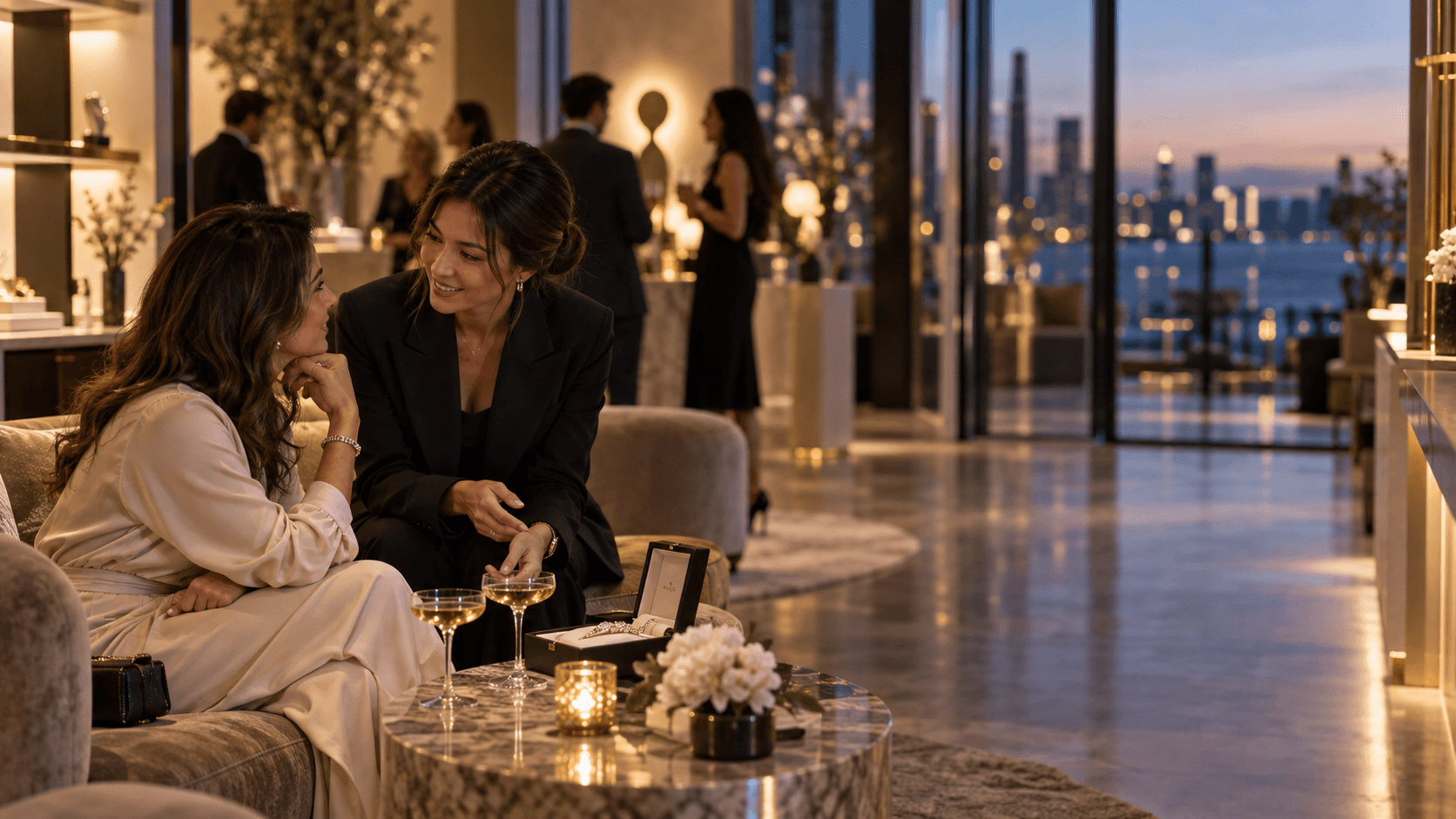
Connexion émotionnelle avec les clients : comment le marketing expérientiel de luxe renforce la fidélité à la marque
Par
Paul Andre de Vera
Blog

Ce qui distingue la distribution de produits de beauté de luxe : expérience en magasin, nouveaux formats et soutien au lancement de marques
Par
Paul Andre de Vera
Blog

Comment Chanel, Louis Vuitton, Dior et Gucci créent des expériences uniques dans leurs boutiques de luxe
Par
Paul Andre de Vera
Blog

Au cœur de la boutique de luxe : à quoi s'attendre lors des rendez-vous, du stylisme et de l'expérience en magasin
Par
Paul Andre de Vera
Blog
